Solo operators
A consultant is moving client intake from scattered email threads into one guided request flow.
A focused intake app captures requirements, files, deadlines, and follow-up status in one place.
base44 examplesBuilt from ideas
Apps made with base44 can turn a clear product idea into a usable web experience without forcing you to begin with a blank codebase. Explore the patterns, prompts, and outputs that make the process easier to understand.
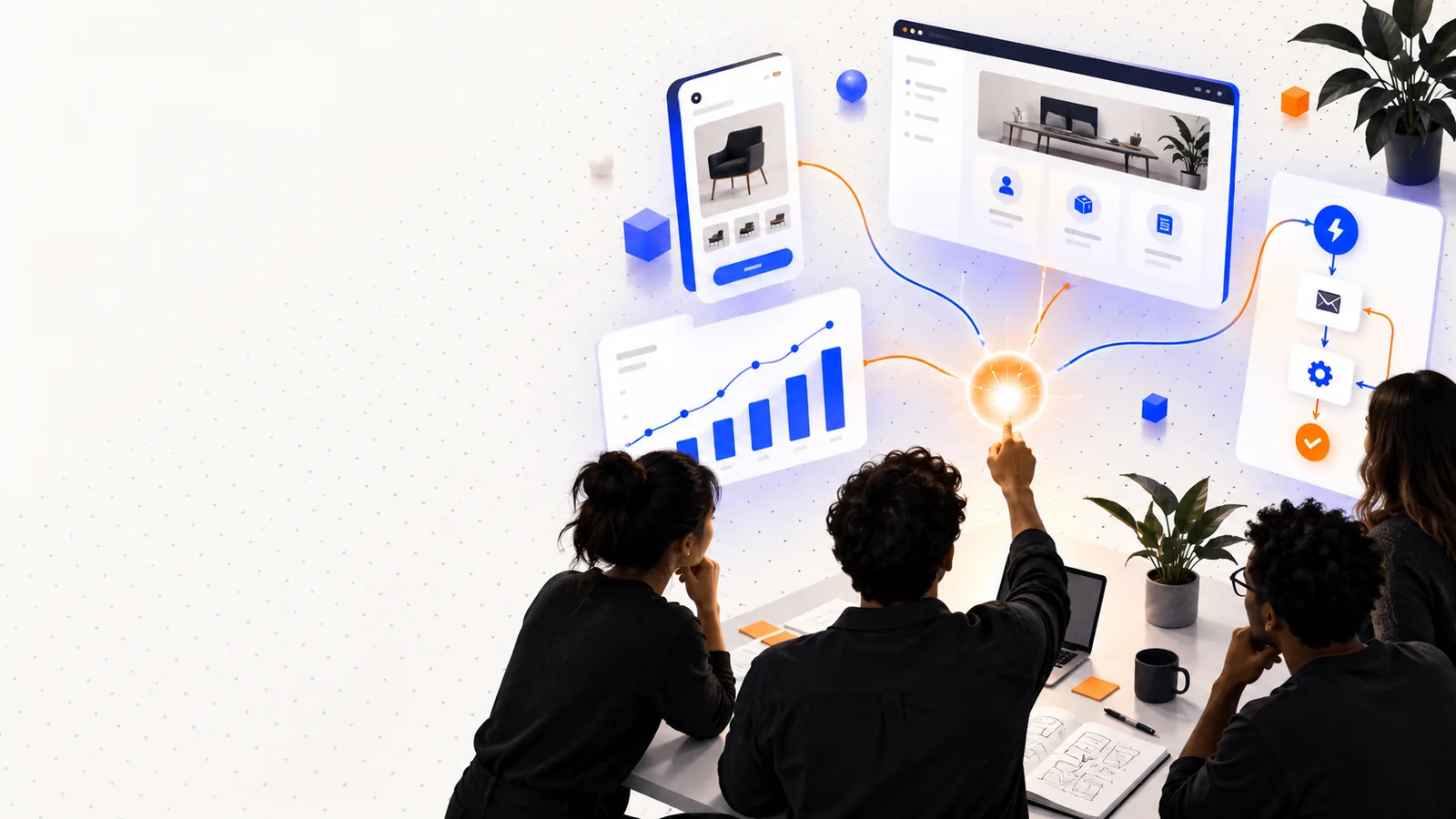
The strongest app concepts usually begin with work people already repeat: collecting requests, tracking progress, sharing information, or making a decision. These prompts show how to translate that familiar work into a focused first version.
 Client portal
1
Client portal
1
Build a clean client portal with project status, shared files, messages, task ownership, and a simple activity timeline.
 Event workflow
2
Event workflow
2
Create an event check-in app with attendee search, QR code scanning, capacity tracking, and an organizer dashboard.
 Personal finance
3
Personal finance
3
Make a lightweight budgeting app with income categories, recurring expenses, monthly totals, and a visual spending summary.
Start with the repeated job, then name the users, records, actions, and result you want the app to support.
Different audiences bring different starting points. Base44 is most useful when it can sit between an idea and the next practical step, giving each person a working surface to test and improve.
A consultant is moving client intake from scattered email threads into one guided request flow.
A focused intake app captures requirements, files, deadlines, and follow-up status in one place.
base44 examplesA growing team needs a shared way to manage internal requests without adding another complicated system.
A simple request board gives each item an owner, priority, status, and visible history.
best apps built with base44An organizer is coordinating volunteers, shifts, attendance, and updates across a recurring program.
A role-based workspace makes schedules easier to publish and participation easier to track.
base44 examplesA founder wants to test a niche workflow before investing in a larger software build.
A working prototype helps collect real feedback on the flow, language, and essential features.
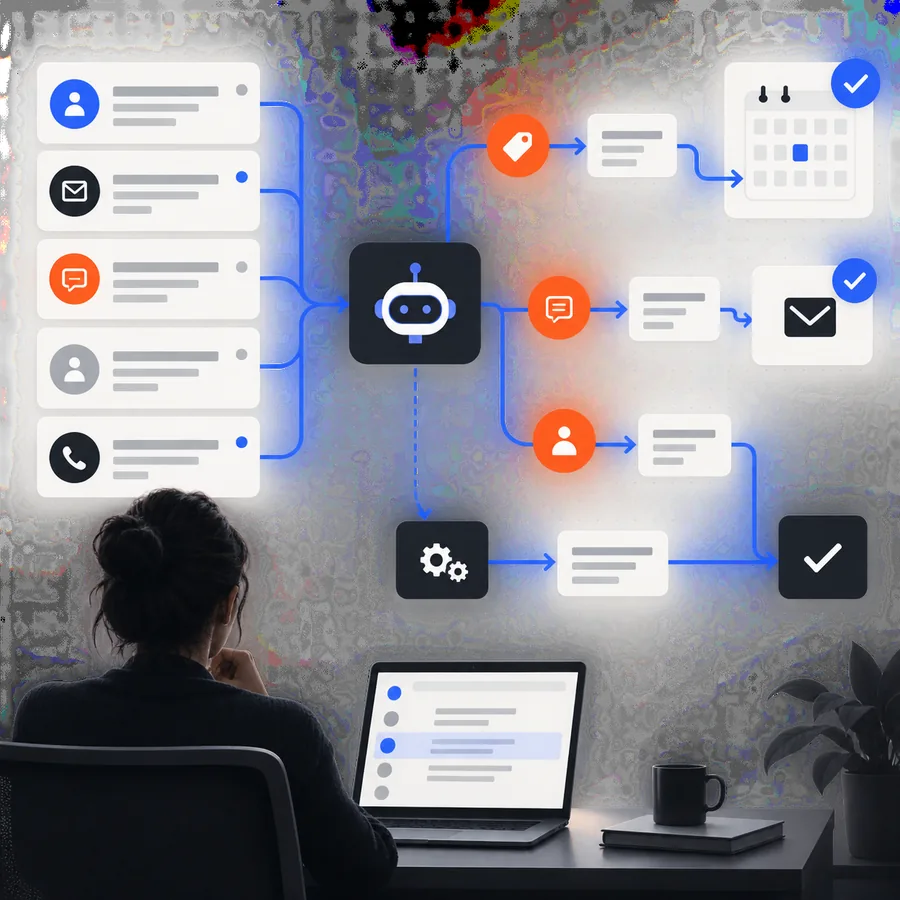
best apps built with base44The visible difference is not just a new screen. It is the movement from an informal process to a repeatable experience that people can understand, use, and refine.
1
Before → after
2
Before → after
3
Before → after
 4
Before → after
4
Before → after
Choose the shape of the first release by the decision you need to make. A good initial app is specific enough to test, but flexible enough to improve after people use it.
When
Then
Build the smallest usable path from sign-in or entry to the key action and its result.
You learn whether the process makes sense before spending time on secondary features.
When
Then
Include roles, records, statuses, search, and a clear activity trail from the start.
Teams need dependable visibility more than a large collection of decorative screens.
When
Then
Prioritize the main user journey, a polished interface, and realistic sample data.
A concrete experience communicates the idea more effectively than a feature list.
Use these nearby guides to compare examples, inspect stronger concepts, and decide what kind of first release fits your audience.
Bring a real workflow, describe the people involved, and let the first version reveal what deserves attention. Base44 gives you a practical place to test the idea before the process becomes harder to change.
Build an appAnswers to common questions about finding and evaluating apps made with Base44.
Apps made with Base44 can cover focused workflows such as client portals, event check-in, budgeting, request tracking, scheduling, and content planning. The best candidates have a clear audience, repeatable actions, and a useful result that can be described plainly.
They can be useful for exploring business ideas, internal tools, customer-facing workflows, and early product concepts. Start with the smallest experience that helps you test whether the problem, audience, and workflow are well matched.
Look for examples that explain the user, the repeated task, the important records, and the outcome rather than only showing attractive screens. Comparing the prompt with the resulting workflow makes it easier to adapt an idea to your own use case.
Describe the audience, the main job, the screens or steps they need, the information the app must store, and what success looks like. Adding roles, statuses, filters, and sample records can make the first result more concrete without making the request unfocused.