

Practical tutorial

How to make money using Base44 from idea to income

How to make money using Base44 starts with solving one specific problem for one reachable audience. This guide shows how to validate, build, launch, and improve a small digital product without confusing publishing an app with having a business.

Free to start · validate first
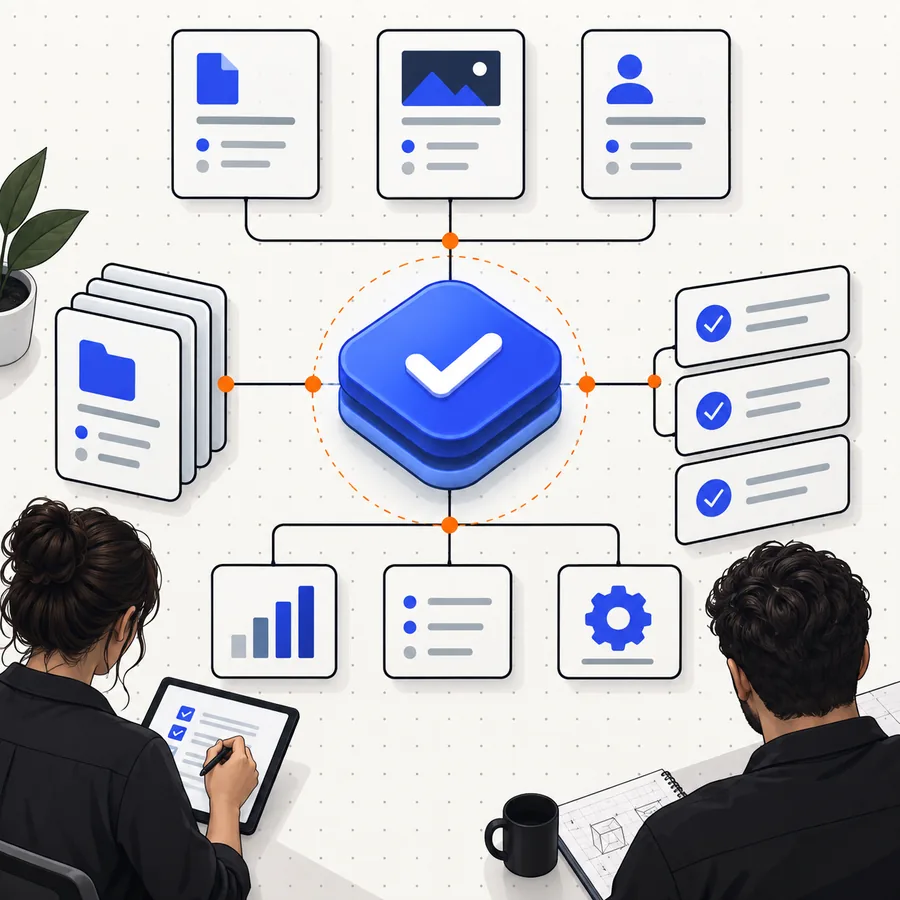
Base44 money-making workflow with a focused digital product, customers, and revenue

Numbered steps

Use this sequence to turn a promising idea into a small offer that people can understand and pay for.

  1. 1

    Pick one painful problem

    Choose a narrow audience and a repeated task that costs them time, money, or missed opportunities. Write the problem in one sentence before opening the builder.

  2. 2

    Build the smallest useful version

    Create only the workflow needed to deliver the promised result: the key screen, the essential data, and one clear action. Leave secondary features for later.

  3. 3

    Sell the outcome and iterate

    Show the product to likely users, ask for a concrete commitment, and use their objections to improve the offer. Revenue signals matter more than compliments.

Prerequisites

Prepare these basics before building so your Base44 project has a realistic path to customers and responsible revenue.

Required Optional
  • A defined customer group, such as local tutors, property managers, coaches, or independent retailers.

    Required

    Avoid starting with “everyone.”

  • One painful, repeatable problem that your product can solve more simply than the current workaround.

    Required

    Look for recurring tasks and delays.

  • A clear offer with a measurable result, such as fewer missed bookings or faster client follow-up.

    Required

    Describe the benefit in customer language.

  • A way to reach ten to twenty potential users for interviews or early testing.

    Required

    Personal outreach is enough at first.

  • A basic support and feedback process, including where users can report issues.

    Required

    Trust grows when problems get acknowledged.

  • A payment, delivery, or lead-capture plan outside the first prototype.

    Optional

    Choose the simplest workable option.

These related tutorials fill the practical gaps between first idea, working product, and public launch.

Common errors and fixes

Making money with a fast app builder still requires judgment. These limits are where ambitious projects most often lose time or trust.

  • It cannot find your customers

    A generated app may function well while nobody knows it exists or understands why it matters.

    WorkaroundInterview likely users, write a one-sentence offer, and test direct outreach before adding more features.

  • It cannot guarantee recurring revenue

    Subscriptions only make sense when the product delivers continuing value and the buyer expects to keep using it.

    WorkaroundTie payment to an ongoing job, saved time, fresh data, or dependable support, then offer a simple cancellation path.

  • It cannot replace product quality checks

    Authentication, permissions, forms, calculations, and edge cases can fail when real people use the app differently from the builder’s assumptions.

    WorkaroundTest the main workflows with representative data and ask early users to complete tasks while you observe.

  • It cannot remove legal and operational duties

    Privacy notices, consent, tax handling, intellectual property, and customer support remain the owner’s responsibility.

    WorkaroundCollect only necessary data, document what the app does, and get qualified advice for regulated or sensitive use cases.

Advanced tips

A small product becomes more durable when each build decision is connected to a customer signal and a repeatable operating habit.

  1. Name the buyer and trigger

    Write who experiences the problem, when it happens, what they do today, and what a better result is worth to them.

  2. Test the promise before the polish

    Show a short explanation, mockup, or rough flow to prospective users. Record objections and look for evidence that they would switch or pay.

  3. Release a narrow workflow

    Launch the smallest version that completes one job from start to finish. Measure completion, repeat use, support requests, and drop-off points.

  4. Turn feedback into a queue

    Separate urgent defects from useful ideas. Prioritize changes that improve activation, retention, referrals, or the customer’s measurable outcome.

  5. Create a repeatable acquisition loop

    Choose one channel you can sustain, such as partnerships, educational content, community participation, or targeted outreach, and track which leads become active users.

Advanced tips for earning sustainably

Once the first version works, improve the business around it instead of simply expanding the feature list.

Focused digital product workflow for a specific customer problem

Package a result, not a collection of screens

Customers rarely want software for its own sake. They want fewer scheduling gaps, cleaner intake, faster reporting, or a more reliable handoff. Describe the product around that result, then make every screen support it.

POSITIONING RULE

If the buyer cannot explain the benefit in one sentence, narrow the offer before adding features.

Simple product offer and customer value presentation

Use pricing as a learning tool

Start with a simple offer that matches the value and support you can provide. A paid pilot, setup fee, or small recurring plan can reveal seriousness better than a long list of free features. Keep the terms visible and avoid promising outcomes you cannot control.

TRUST CHECK

Charge for a clear promise, state what is included, and make cancellation or refund expectations easy to understand.

Recurring customer workflow supported by a digital application

Build retention into the workflow

Revenue becomes more predictable when the app earns a place in a customer’s routine. Add reminders, saved history, useful exports, status views, or team handoffs only when they support repeated use. Monitor whether customers return because the product helps, not because it creates lock-in.

RETENTION SIGNAL

Track the recurring action that proves value, not vanity metrics such as page views alone.

Put the first offer in motion

Use Base44 to build a focused prototype, then take it to real people before treating it as a finished business. A small, honest launch can teach you more about demand than months of private polishing.

Build a focused prototype
  • Choose one customer and one painful task
  • Test the offer before expanding the app
  • Improve from observed use and paid commitments

Tutorial FAQ

Answers to common questions about turning a Base44 project into an ethical income stream.

Yes, if you use it to deliver a useful product or service to a defined audience. The builder can reduce the time needed to create and test software, but income still depends on demand, distribution, pricing, reliability, and support.

Start with one narrow paid offer, such as a client portal, booking workflow, internal tool, directory, or specialized calculator. Validate the problem with prospective users, then charge for access, setup, service, or a combination that matches the value delivered.

Use a subscription when customers receive continuing value, such as ongoing records, reminders, collaboration, or regularly updated information. A one-time fee or paid setup may be more appropriate when the product delivers a discrete result and does not require ongoing service.

Begin with direct conversations in a community, professional network, local market, or existing audience that matches your customer profile. Demonstrate the specific outcome, invite a small pilot, ask for a clear commitment, and use objections to refine the product and offer.

No. Publishing makes a product available, but it does not create traffic, trust, payments, retention, or customer care automatically. Treat launch as the start of validation and build a repeatable way to attract, onboard, help, and retain the right users.

Start building
Start building